How to Identify a Clog and the Need for Drain Cleaning
When a drainage system is working properly, wastewater disappears quickly and quietly from sinks, tubs, and toilets. As a clog begins to form, however, the plumbing often sends early warnings long before a complete blockage develops. Sometimes the issue is limited to one fixture and indicates a local drain line clog. In other cases, several fixtures show symptoms at once, indicating a clog in a larger sewer line deeper in the system. Recognizing these patterns helps property owners schedule timely drain cleaning and, if needed, sewer line repair before water damage or unsanitary conditions arise.
Gurgling Noises or a Bad Smell
 Gurgling sounds and unpleasant odors are common early indicators of trouble inside the pipes. Gurgling from a sink, tub, or toilet usually means air is trapped behind a partial obstruction and is struggling to move through the line with the wastewater.
- When the noise is confined to a single fixture, a clogged drain line in that branch is likely.
- When several fixtures gurgle, especially after showers, laundry, or toilet flushes, a clogged sewer line in the main drain becomes a strong possibility.
Odors tell a similar story. A persistent sewer‑like smell from one drain can indicate organic buildup or venting issues in that line. Foul odors drifting from multiple drains often signal that gases and wastewater are accumulating in the main sewer line rather than flowing freely. In both cases, professional drain cleaning removes accumulated grease, food particles, paper, and other debris, allowing a plumber to check for cracks, root intrusion, or low spots that may require sewer line repair.
Slow Draining
 Slow drains are another classic red flag. Water that lingers in a sink, shower, or bathtub instead of draining quickly usually indicates a developing clog.
- If the problem appears at only one fixture, hair, soap residue, or foreign objects have probably narrowed that pipe, creating a localized, partially clogged drain line.
- If multiple fixtures, such as several sinks and tubs, drain slowly at the same time, or if running water in one location causes bubbling in another, the restriction is likely farther down and may be tied to a sewer line clog.
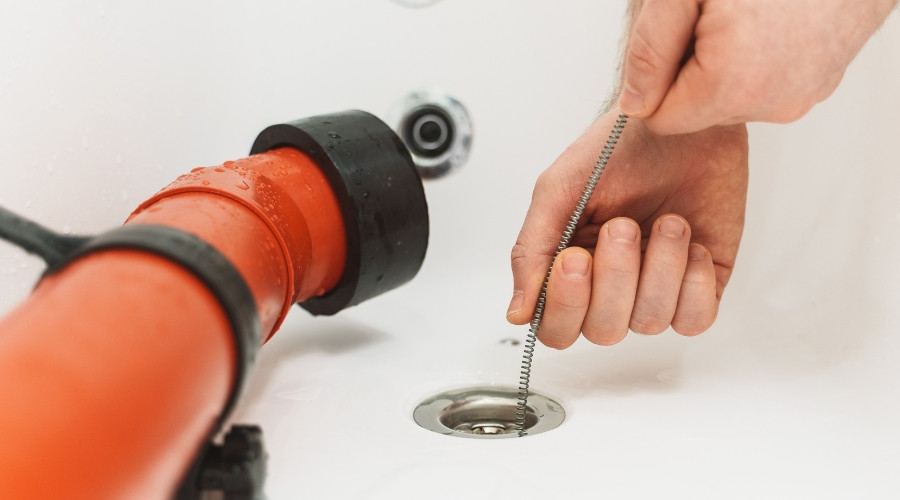
Chemical drain cleaners can seem like a quick fix, but often fail to remove the full obstruction and may damage older pipes. Professional technicians use specialized drain-cleaning tools, such as augers or hydro‑jetting equipment, to restore normal flow and help prevent a minor clog from becoming a completely clogged sewer line.
Backups
Backups are the most urgent sign that immediate help is needed. Wastewater rising into a single sink, tub, or toilet generally points to a nearby drain line clog that prevents that fixture from emptying.
When toilets, floor drains, and tubs in different parts of the building all overflow or fill with discolored water, the main sewer line is usually compromised. A severe sewer line clog can force contaminated water back into finished spaces, damaging floors, walls, and belongings while creating health concerns. Repeated backups also place stress on joints and fittings, increasing the chance of leaks and structural problems. Prompt professional drain cleaning, followed by inspection and any necessary sewer line repair, is essential to restore safe, reliable drainage.
About Quahog Plumbing
For over 15 years, the trusted professionals at Quahog Plumbing have provided expert plumbing and heating solutions in Somerset and the surrounding areas. They offer straightforward pricing and prompt service, utilizing the latest technology to ensure homeowners and businesses alike are satisfied. Call them today to schedule drain cleaning in Somerset, MA.
)
Distribution Links +
- https://go.chinesewire.com
- https://smb.bogalusadailynews.com
- https://smb.magnoliastatelive.com
- https://smb.orangeleader.com
- https://smb.panews.com
- https://smb.picayuneitem.com
- https://smb.lobservateur.com
- https://smb.panolian.com
- https://smb.americustimesrecorder.com
- https://smb.amnews.com
- https://smb.americanpress.com
- https://smb.dailyleader.com
- https://smb.oxfordeagle.com
- https://smb.bluegrasslive.com
- https://smb.claiborneprogress.net
- https://smb.elizabethton.com
- https://smb.jessaminejournal.com
- https://smb.kenbridgevictoriadispatch.com
- https://smb.thesnaponline.com
- https://smb.clemmonscourier.net
- https://smb.harlandaily.com
- https://smb.irontontribune.com
- https://smb.ourdavie.com
- https://smb.state-journal.com
- https://smb.thecharlottegazette.com
- https://smb.theinteriorjournal.com
- https://smb.tryondailybulletin.com
- https://smb.winchestersun.com
- https://smb.farmvilleherald.com
- https://smb.salisburypost.com
- https://smb.cordeledispatch.com
- https://smb.middlesboronews.com
- https://smb.thepostsearchlight.com
- https://pr.washingtoncitypaper.com
- https://smb.theleesvilleleader.com
- https://smb.prentissheadlight.com
- https://smb.beauregardnews.com
- https://pr.hattiesburg.com
- https://pr.boreal.org
- https://pr.walnutcreekmagazine.com
- https://pr.thembnews.com
- https://pr.timesofsandiego.com
- https://pr.chestercounty.com
- https://pr.wncbusiness.com
- https://pr.ashlandtownnews.com
- https://pr.franklintownnews.com
- https://pr.hollistontownnews.com
- https://pr.hopedaletownnews.com
- https://pr.naticktownnews.com
- https://pr.millismedwaynews.com
- https://pr.norfolkwrenthamnews.com
- https://pr.norwoodtownnews.com
- https://pr.rivertonjournal.com
- https://pr.columbiabusinessmonthly.com
- https://pr.herrimanjournal.com
- https://pr.holladayjournal.com
- https://pr.midvalejournal.com
- https://pr.sandyjournal.com
- https://pr.southjordanjournal.com
- https://pr.valleyjournals.com
- https://pr.wvcjournal.com
- https://pr.cottonwoodheightsjournal.com
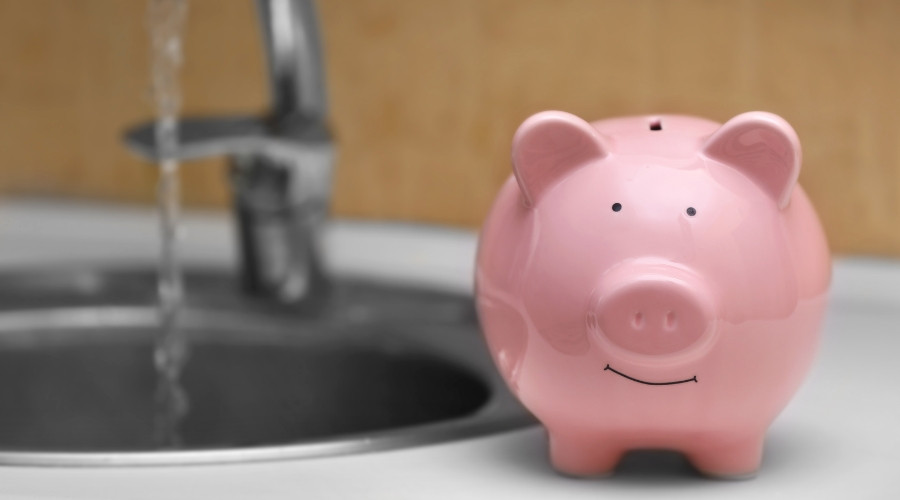
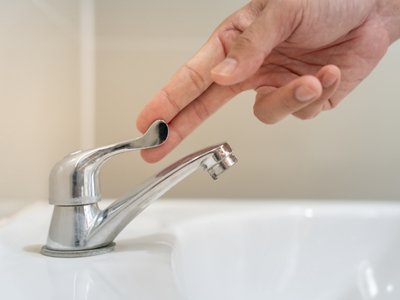 Minor adjustments to daily routines that involve water can result in substantial water conservation over time and lower water costs. Inside the house, simple actions such as turning off the tap while brushing teeth or shaving are effective. When tackling dirty dishes, use an energy-efficient dishwasher and run it only when it's full. Modern dishwashers typically use much less water than handwashing, especially when water is left running during scrubbing.
 An important strategy for achieving long-term water and cost savings is to replace old fixtures with water-efficient plumbing fixtures. Current water-saving fixtures are engineered for efficiency without sacrificing performance. For example, replacing an old showerhead or faucet with a low-flow showerhead and a low-flow faucet or faucet aerator can reduce water use while maintaining satisfying water pressure.
)
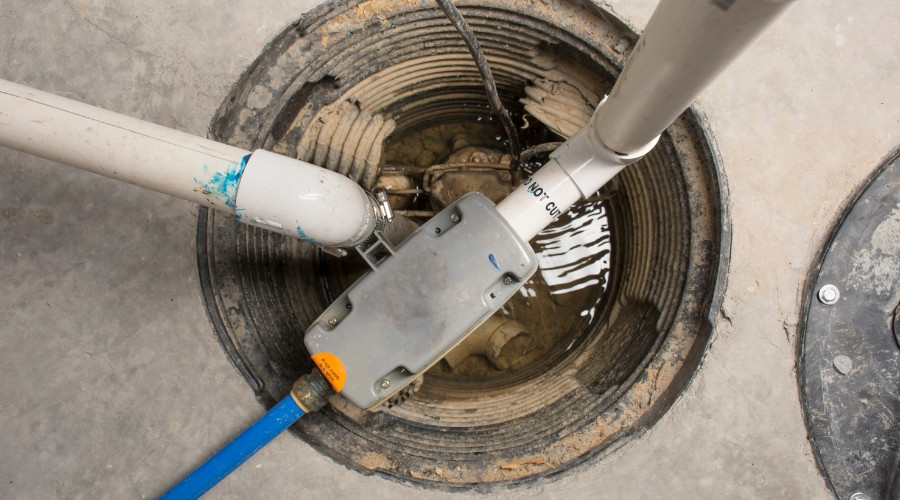
 A properly sized
  Two main designs handle day‑to‑day pumping needs: the submersible sump pump and the pedestal sump pump.
)

 The fastest way to end up with a clogged garbage disposal is to send the wrong materials into it. Certain items should never go down a disposal because they either damage the mechanism or create stubborn clogs in the drain and even further down the line.
 Water usage is just as important as food choices. Running cold water before, during, and for several seconds after using the garbage disposal is essential. Cold water helps keep any residual grease or fat in a more solid state, allowing the disposal to break it into tiny particles that can move more easily through the drain system instead of coating pipe walls. This habit reduces the likelihood of a clogged garbage disposal and downstream buildup.
)
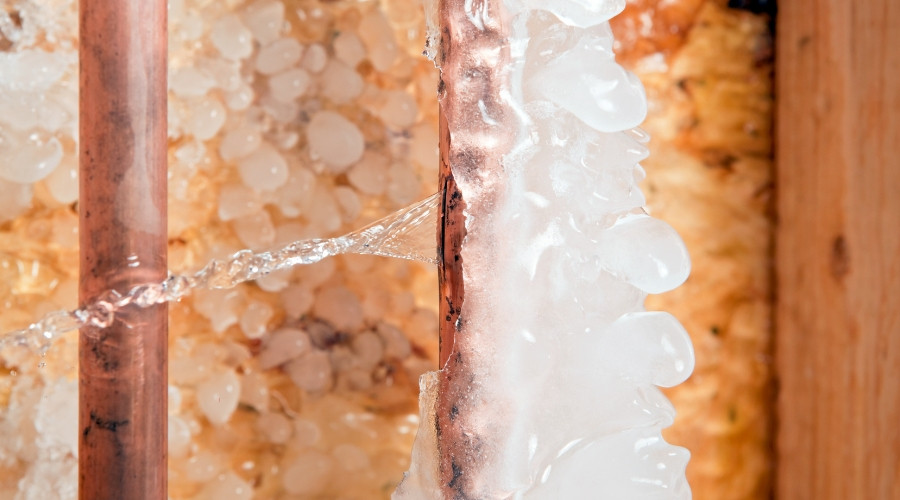
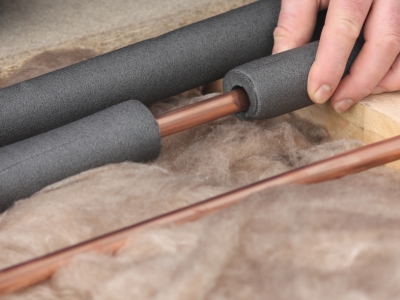 Frozen pipes are among the most disruptive winter plumbing problems, but prevention is straightforward with thoughtful planning. Pipe insulation serves as a protective layer, slowing heat loss from vulnerable lines and helping water stay above freezing during cold snaps. Areas that deserve attention first include unheated zones, such as attics, crawl spaces, garages, and unfinished basements, as well as piping that runs along exterior walls where temperatures fluctuate the most.
 Steady warmth is one of the simplest defenses against
 )