Protect the Plumbing From the Cold This Fall and Winter
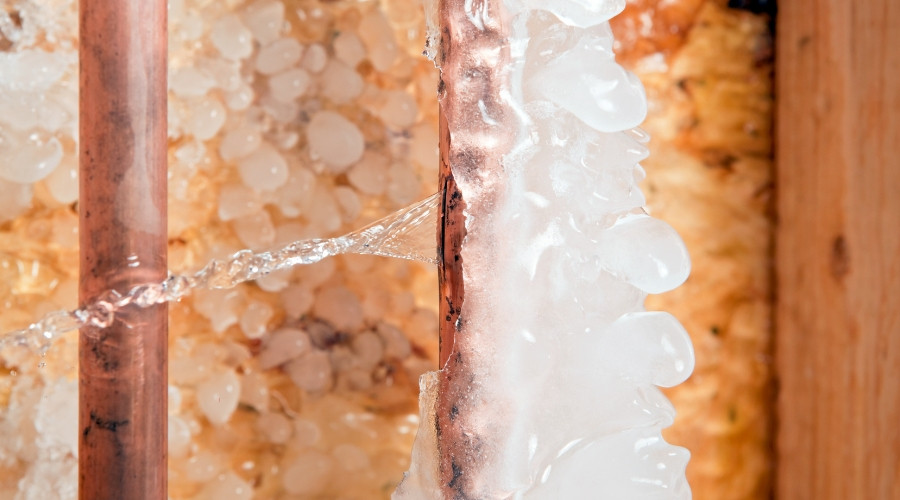
As winter approaches, it's important to take preventive measures to protect plumbing, reducing the need for costly repairs and replacements. These essential plumbing tips for colder temperatures outline simple and effective ways to prevent frozen pipes, reduce the risk of a burst pipe, and keep water flowing throughout the season. This overview also covers where pipe insulation works best, how steady warmth and airflow deter freezing pipes, and the steps to winterize each outdoor faucet before hard freezes arrive.
Insulate the Pipes
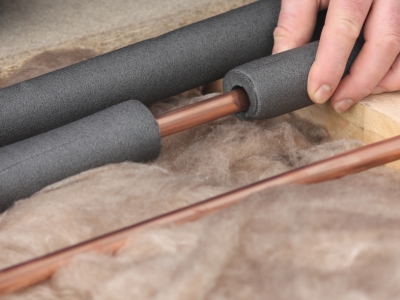 Frozen pipes are among the most disruptive winter plumbing problems, but prevention is straightforward with thoughtful planning. Pipe insulation serves as a protective layer, slowing heat loss from vulnerable lines and helping water stay above freezing during cold snaps. Areas that deserve attention first include unheated zones, such as attics, crawl spaces, garages, and unfinished basements, as well as piping that runs along exterior walls where temperatures fluctuate the most.
Foam sleeves make it easy to insulate pipes on straight runs, while flexible materials accommodate elbows, tees, and valves. For thorough coverage, focus on insulating pipes on both hot and cold lines in at‑risk locations, since still water can freeze in either. Small gaps around fittings, joints, and transitions are common weak spots where a pipe burst can occur; seal these carefully so cold air cannot reach the metal. Where conditions are especially harsh or freezing has happened in the past, a plumber may recommend heat cable beneath the insulation to provide added resilience against freezing pipes.
The key is continuous protection—end‑to‑end coverage without exposed sections. With consistent insulating pipe practices and properly installed pipe insulation, a home’s system is far better prepared to withstand overnight lows and extended cold spells without a burst pipe or pipe burst cleanup.
Keep the Heat on and Open Cabinets
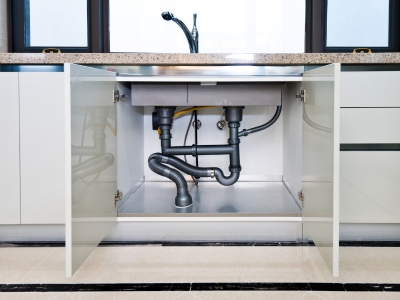 Steady warmth is one of the simplest defenses against frozen pipes. Maintaining a consistent indoor temperature helps keep wall cavities and enclosed spaces above the freezing threshold. This approach reduces sudden drops that can cause freezing pipes and the pressure spikes that lead to a burst pipe.
Airflow matters too. Cabinet bases beneath kitchen and bathroom sinks often contain supply lines on exterior walls. Those enclosed spaces can remain cooler than surrounding rooms and allow cold pockets to form around plumbing. Opening cabinet doors during extreme cold allows warm room air to circulate, helping to insulate pipes with ambient heat. A small fan set to move air into those cavities gently further improves circulation. This layered approach—stable heat plus airflow—can be the difference between normal operation and a pipe burst when temperatures fall sharply.
Keep return grilles and supply registers clear so the heating system can distribute air evenly. If a property includes unheated areas with exposed piping, temporary spot heat during the coldest periods may be appropriate. Combined with earlier pipe insulation steps, this steady‑heat strategy significantly lowers the risk of freezing pipes throughout the structure.
Winterize Outdoor Faucets
An outdoor faucet is among the most exposed fixtures on the property and needs focused attention before a freeze. Start by disconnecting garden hoses from each spigot—leftover water in a hose can freeze and push expansion pressure back into the line, increasing the risk of a burst pipe inside the wall. After removing hoses, drain them and store them in a dry location until spring.
If interior shutoff valves serve exterior lines, close those valves ahead of cold weather. With the supply off, open each outdoor faucet to drain residual water from the run and leave the handle in the open position for the winter. This relieves remaining pressure and allows any residual moisture to evaporate. Adding an insulated cover to each outdoor faucet creates a barrier against wind and cold air, further reducing exposure at the wall penetration.
Homes that have experienced freezing at hose bibs before may benefit from frost‑resistant sillcocks that place the shutoff deeper within the heated envelope. When paired with careful pipe insulation on interior runs and the steps above, winterization minimizes the chance of a freeze that could lead to a pipe burst. A short walk‑around before the first hard freeze—confirming hoses are removed, shutoffs are closed, faucets are drained, and covers are in place—provides confidence that outdoor lines are ready for severe weather.
About Quahog Plumbing
Quahog Plumbing is a trusted plumbing and heating company in Somerset, MA, with over 15 years of experience. They take pride in providing same-day service from trustworthy plumbers. Call them today for burst pipe repair in Somerset, MA.
)
Distribution Links +
- https://go.chinesewire.com
- https://smb.natchezdemocrat.com
- https://smb.panews.com
- https://smb.panolian.com
- https://smb.alexcityoutlook.com
- https://smb.americustimesrecorder.com
- https://smb.dailyleader.com
- https://smb.claiborneprogress.net
- https://smb.demopolistimes.com
- https://smb.elizabethton.com
- https://smb.greenvilleadvocate.com
- https://smb.selmatimesjournal.com
- https://smb.thesnaponline.com
- https://smb.troymessenger.com
- https://smb.clemmonscourier.net
- https://smb.thecharlottegazette.com
- https://smb.thetidewaternews.com
- https://smb.farmvilleherald.com
- https://smb.salisburypost.com
- https://smb.suffolknewsherald.com
- https://smb.thewashingtondailynews.com
- https://smb.thewetumpkaherald.com
- https://smb.cordeledispatch.com
- https://smb.roanoke-chowannewsherald.com
- https://smb.valleytimes-news.com
- https://smb.prentissheadlight.com
- https://pr.hattiesburg.com
- https://pr.walnutcreekmagazine.com
- https://pr.chestercounty.com
- https://pr.ashlandtownnews.com
- https://pr.norwoodtownnews.com
- https://pr.naticktownnews.com
- https://pr.hollistontownnews.com
- https://pr.davisjournal.com
- https://pr.millcreekjournal.com
- https://pr.westjordanjournal.com
- https://pr.midvalejournal.com
- https://pr.sandyjournal.com
- https://pr.southjordanjournal.com
- https://pr.taylorsvillecityjournal.com
- htv10.tv
- central.newschannelnebraska.com
- metro.newschannelnebraska.com
- southeast.newschannelnebraska.com
- northeast.newschannelnebraska.com
- plattevalley.newschannelnebraska.com
- panhandle.newschannelnebraska.com
- rivercountry.newschannelnebraska.com
- lifestyle.mykmlk.com
- lifestyle.3wzfm.com
- lifestyle.southernsportstoday.com
- lifestyle.thepodcastpark.com
- lifestyle.680thefan.com
- lifestyle.xtra1063.com
- lifestyle.953hlf.com
- lifestyle.rewind1019.com
- lifestyle.us983.com
- lifestyle.countrylegends1059.com
- lifestyle.967wshv.com
- lifestyle.1045thedan.com
- lifestyle.kbew98country.com
- lifestyle.kccrradio.com
- lifestyle.capitalcityrock.com
- lifestyle.current943.com
- lifestyle.thedam.fm

 Recognizing
  A water softener system can elevate water quality across the entire property and reduce the wear caused by mineral deposits. Hard water scale accumulates on plumbing and fixtures, gradually restricting flow and affecting equipment performance. Softened water helps minimize these deposits, reducing maintenance demands, improving efficiency, and extending the lifespan of water heaters, washing machines, dishwashers, and other appliances that use water, thereby helping to save money.
)

 During a maintenance visit, a plumber inspects the plumbing system to identify and fix any existing
  Regular maintenance allows homeowners to stay ahead of potential
 )
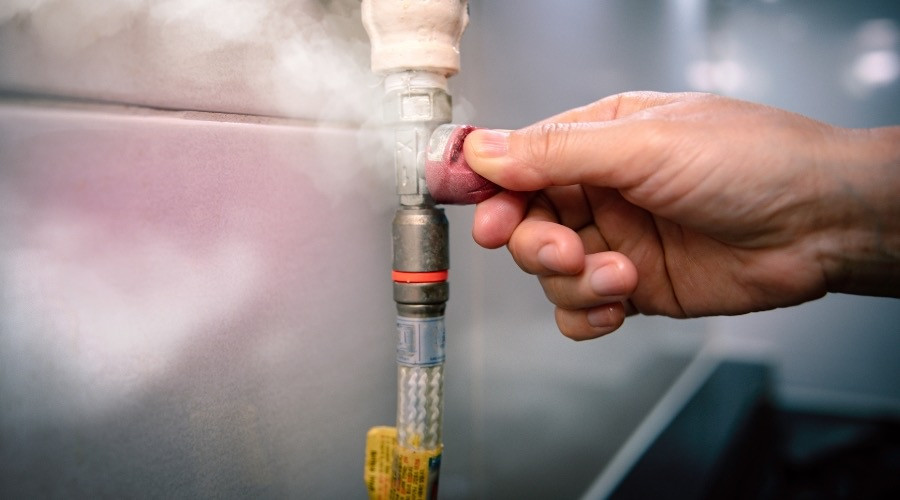
 Identifying a gas leak early is crucial for safety. While natural gas is naturally odorless, utility companies add a distinct odorant called mercaptan, which
  If someone suspects a gas leak, immediate action is vital for safety. The very first step is to evacuate everyone from the house without delay. Once at a safe distance from the building, use a cell phone to call the gas company's emergency line to report the leak and request that they shut off the gas supply. Additionally, contact a professional for gas line repair.
 )
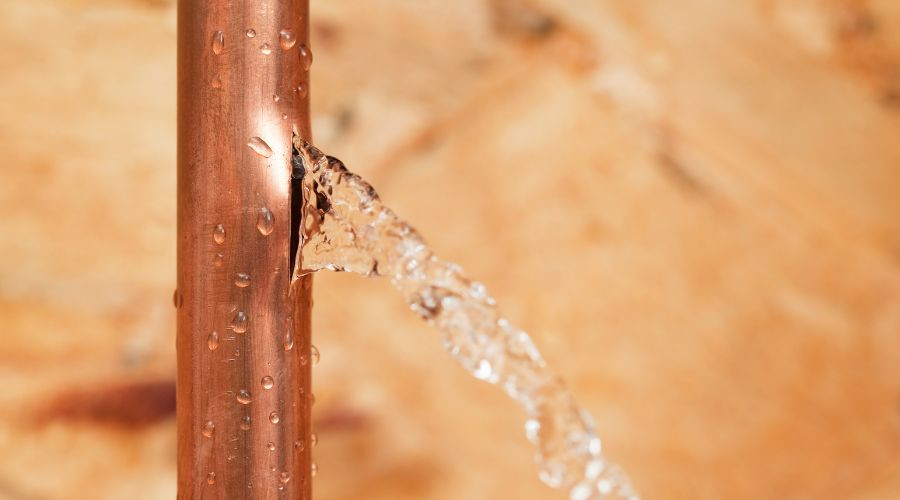
 High water bills aren’t the only sign that can alert homeowners to a water leak in their homes. Some other common signs of water leaks include:
  The home’s water meter can also serve as a tool for identifying hidden water leaks in the plumbing. Testing for leaks using a water meter requires just a few straightforward steps. First, turn off all water-using appliances and fixtures in the home, including washing machines, dishwashers, faucets, and more. Next, locate the water meter and record the current reading. Wait at least an hour without using any water, then recheck the meter’s reading. Because no water was used during this period, the reading shouldn’t change. If it has, it signals a leak.
)